Journalism of Courage
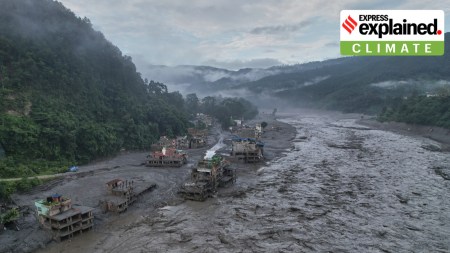
As global warming destabilises the ice and rock in the Himalayas, an expert explains why, and how, we need to move from reacting to disasters to anticipating and preparing for them.
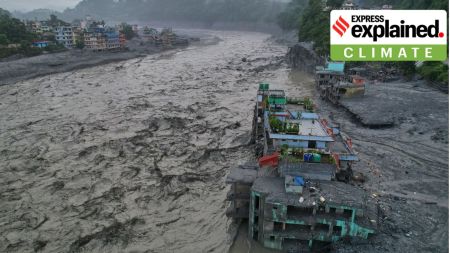
Austin Lord, Senior Fellow at Stimson Center, tells The Indian Express what triggered Nepal’s deadly flood, and explains why existing hazard mapping failed to identify the risk.
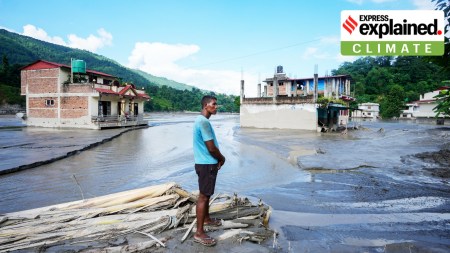
The Himalayan topography includes lakes formed by melting glaciers, fast-flowing rivers and steep slopes. The Nepal floods highlight major vulnerabilities, but there are ways to reduce the fallout of such events.
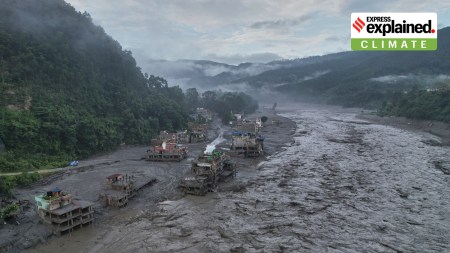
Responsible governance of the fragile Himalayan region needs a reimagination of the borderland. An expert explains.
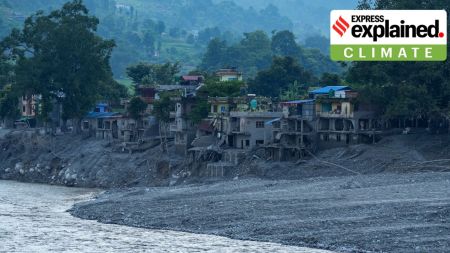
As rising temperatures and shifting regional precipitation patterns reduce the stability of the Himalayan glaciers, some of them could evolve into “hanging glaciers”. What happens when they break off?
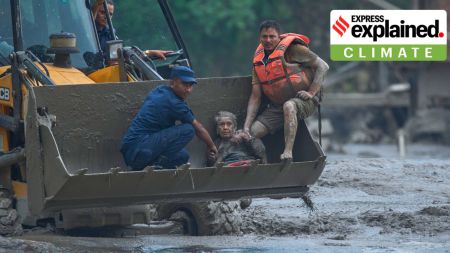
Nepal’s avalanche-induced flash floods resemble the 2021 Chamoli disaster, but peak monsoon conditions could amplify the destruction and cascading impacts downstream.
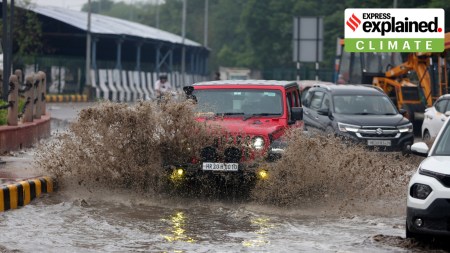
Gurugram went from heatwave conditions in May to severe waterlogging in August. What turns a weather event into an urban disaster, and why do the same failures return?
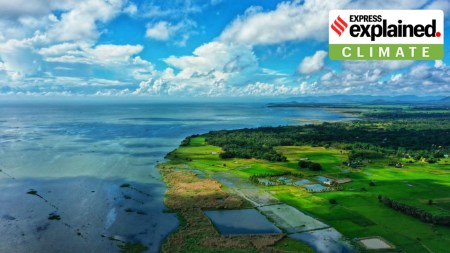
About 28% of the state’s 564-km coastline is undergoing erosion. Government officials said that rising sea level owing to climate change has already submerged many villages and displaced several hundreds of people.
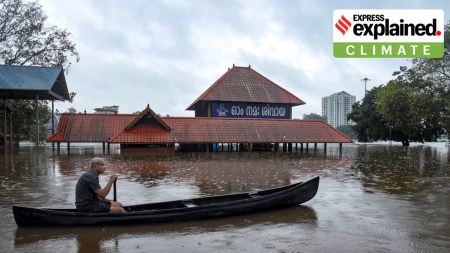
Kerala floods explained: Heavy rain in early August has triggered flooding in several parts of Kerala. Behind the intensity of the flooding is a range of human-made factors.
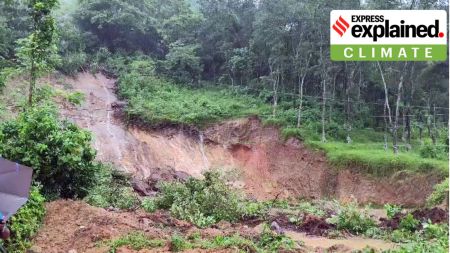
Kerala's Western Ghats are naturally prone to landslides, but heavy monsoon rain and human interventions have increased the frequency and impact of slope failures.
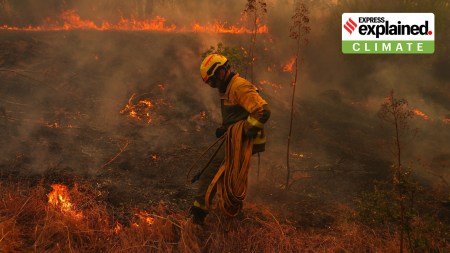
What are climate whiplash and fire clouds, and why are they making Europe's wildfires more dangerous?
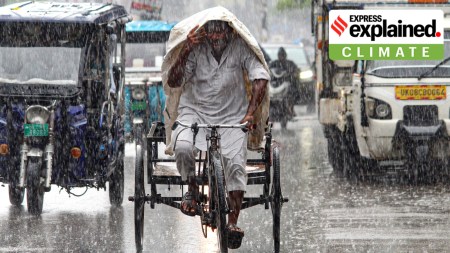
July experienced extreme wet conditions resulting in flooding and landslides in Gujarat, Assam, Maharashtra, and Odisha to hot and dry conditions resulting in heatwaves — a rare phenomenon for the month. We explain.
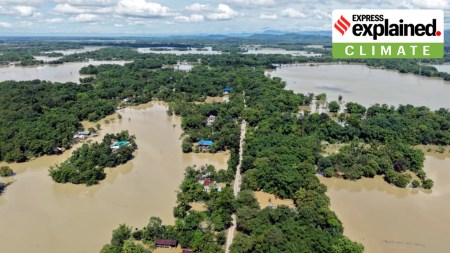
Excessive rain, now becoming more frequent due to climate change, may not be the only cause of the devastation in Upper Assam. Human activities such as excavations and deforestation could also have played a role.
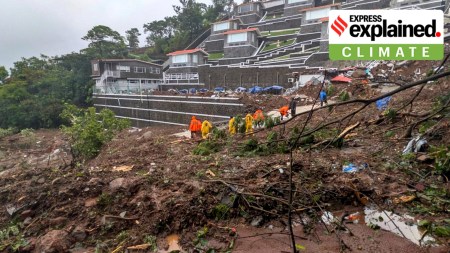
Maharashtra is among the select Indian states where there is a significantly increasing rainfall trend both during monsoon and annually. Heavy rainfall event days, too, are increasing over the Konkan region along the west coast.
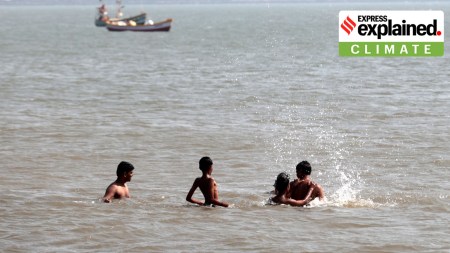
Unlike Europe, which estimates excess deaths during extreme heat events, India still lacks a comprehensive system to measure heat-related mortality, leaving the true human cost of rising temperatures largely unknown.
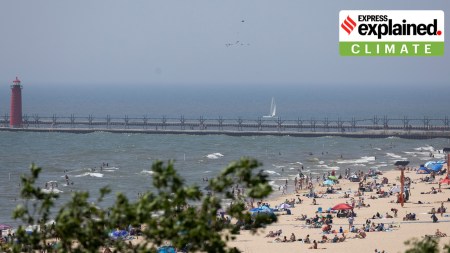
A NASA modelling system found that summer heatwaves in the US roughly doubled in number between 1980 and 2023, increasing from an average of two to four per month.
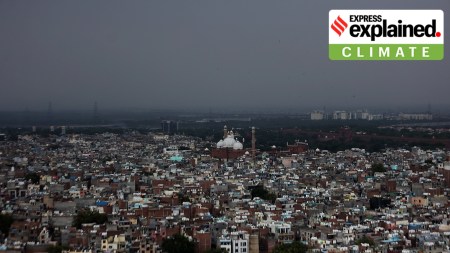
India’s monsoon opened last month with a steep rainfall deficit, driven by strengthening El Niño conditions. But a lesser-known ocean phenomenon could still offer relief later in the season.
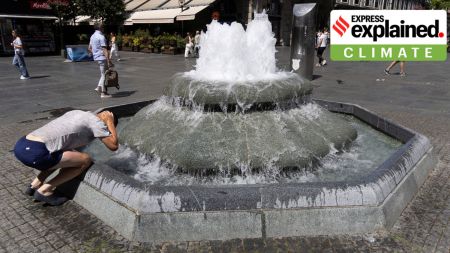
The ongoing Europe heatwave has intensified the debate over air-conditioning as governments balance public health needs, rising temperatures, energy demand and long-term climate commitments.
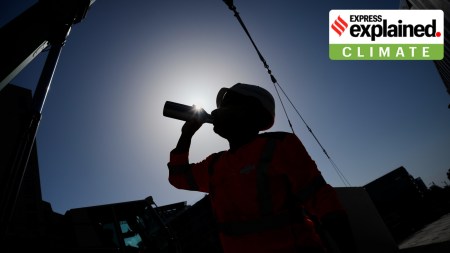
The World Weather Attribution (WWA) has said climate change is ‘unequivocally to blame’ for the Europe heatwave. While this may seem self-evident, establishing a scientific cause is essential to drive policy action.
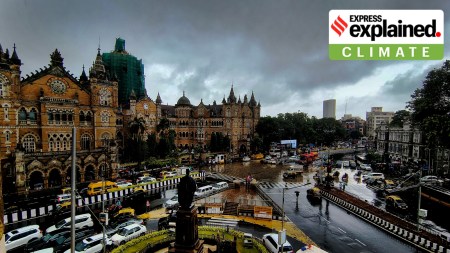
With June rainfall lagging far behind normal levels, concerns are growing over a weak monsoon. A look at the factors that could help India absorb the shock better than in the past.

Many parts of the world see temperatures crossing 40 degree C and function normally. Why have the same temperatures proved so debilitating for Europe?
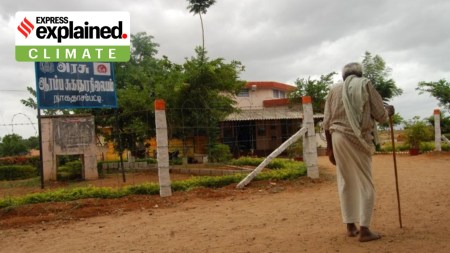
Elderly people are particularly vulnerable to climate risks such as heatwaves. As such extreme weather events become more frequent, India needs to create frameworks that can identify, reach and support vulnerable older people.
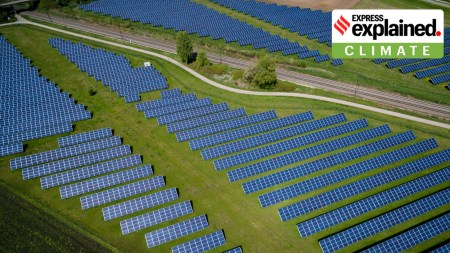
Electricity meets only a small fraction of the world’s energy needs. And most of this electricity comes from fossil fuels. A radical shift to renewables is required.
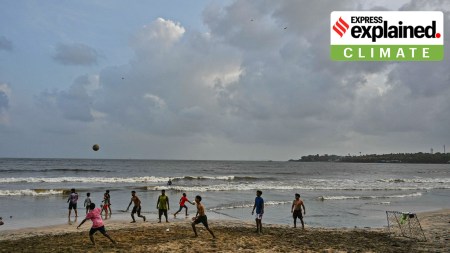
Overall, the Arabian Sea branch of the monsoon appears to be making slower progress this year compared to the Bay of Bengal branch.
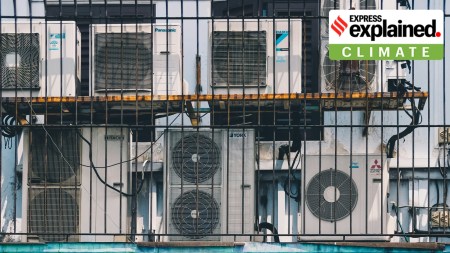
The question is no longer whether people need cooling, but whether India can deliver it without worsening electricity stress, air pollution, and emissions.