


Creative Circle helps redesign three George's Media newspapers for narrower web widths

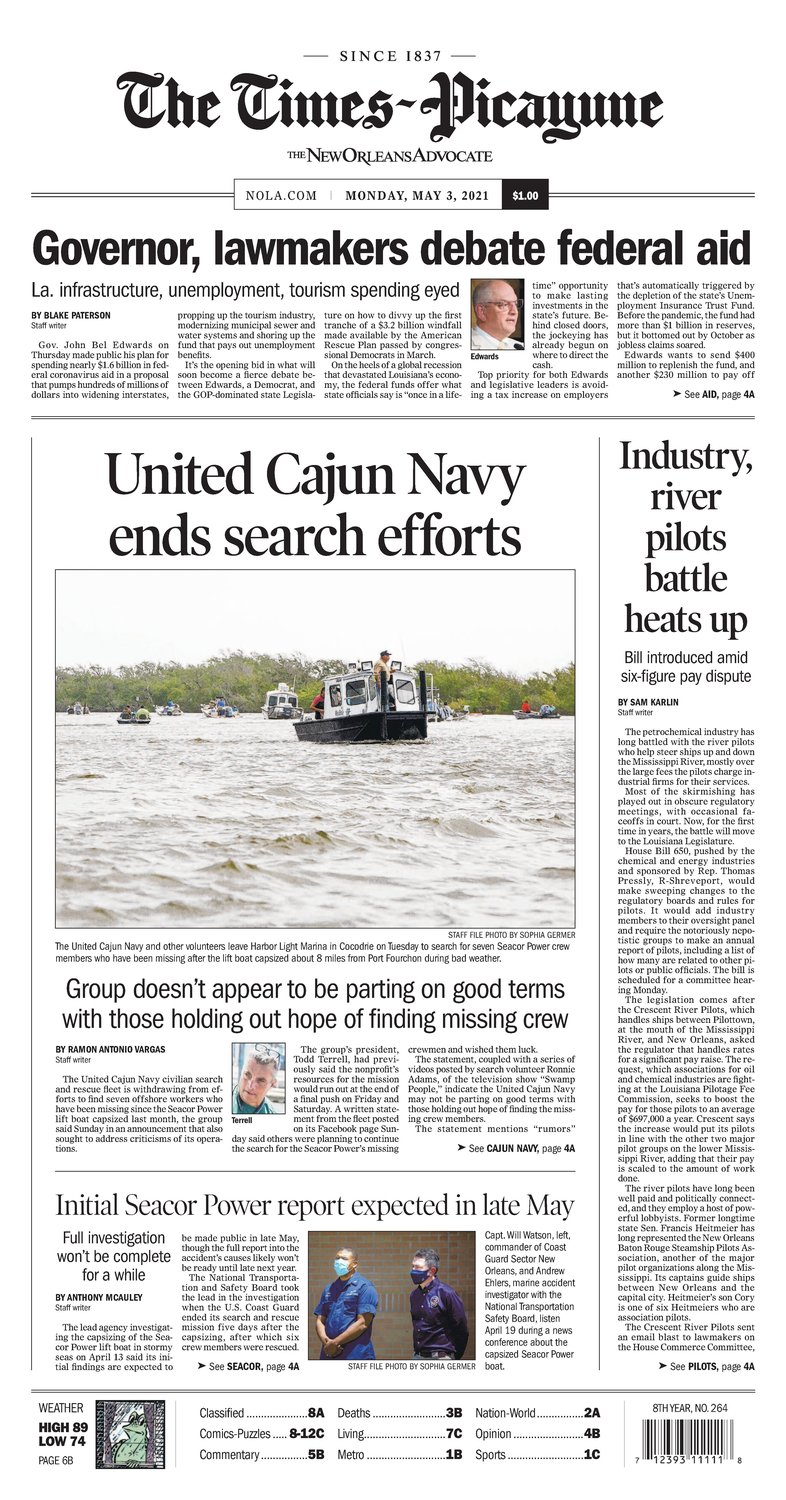
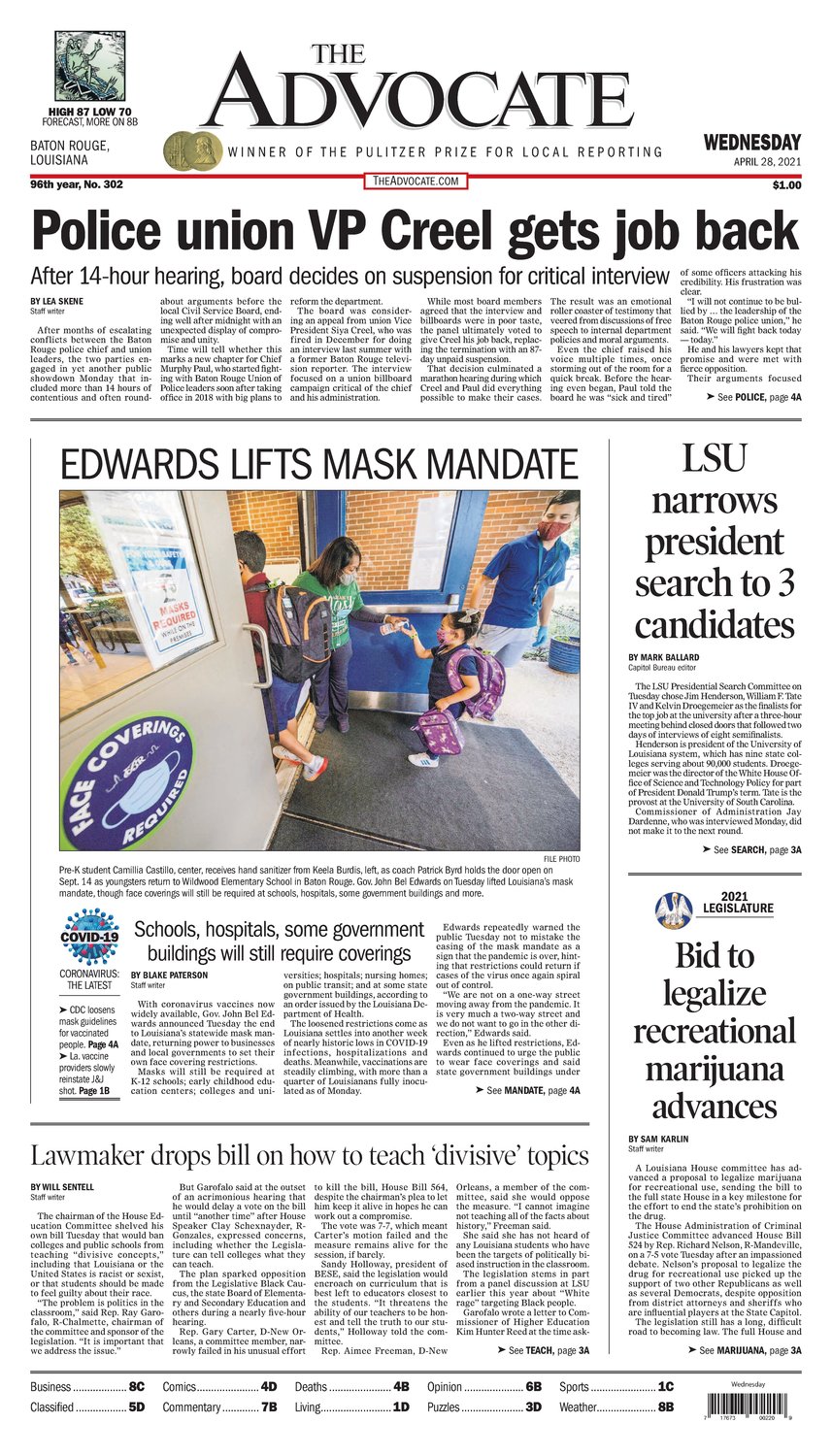
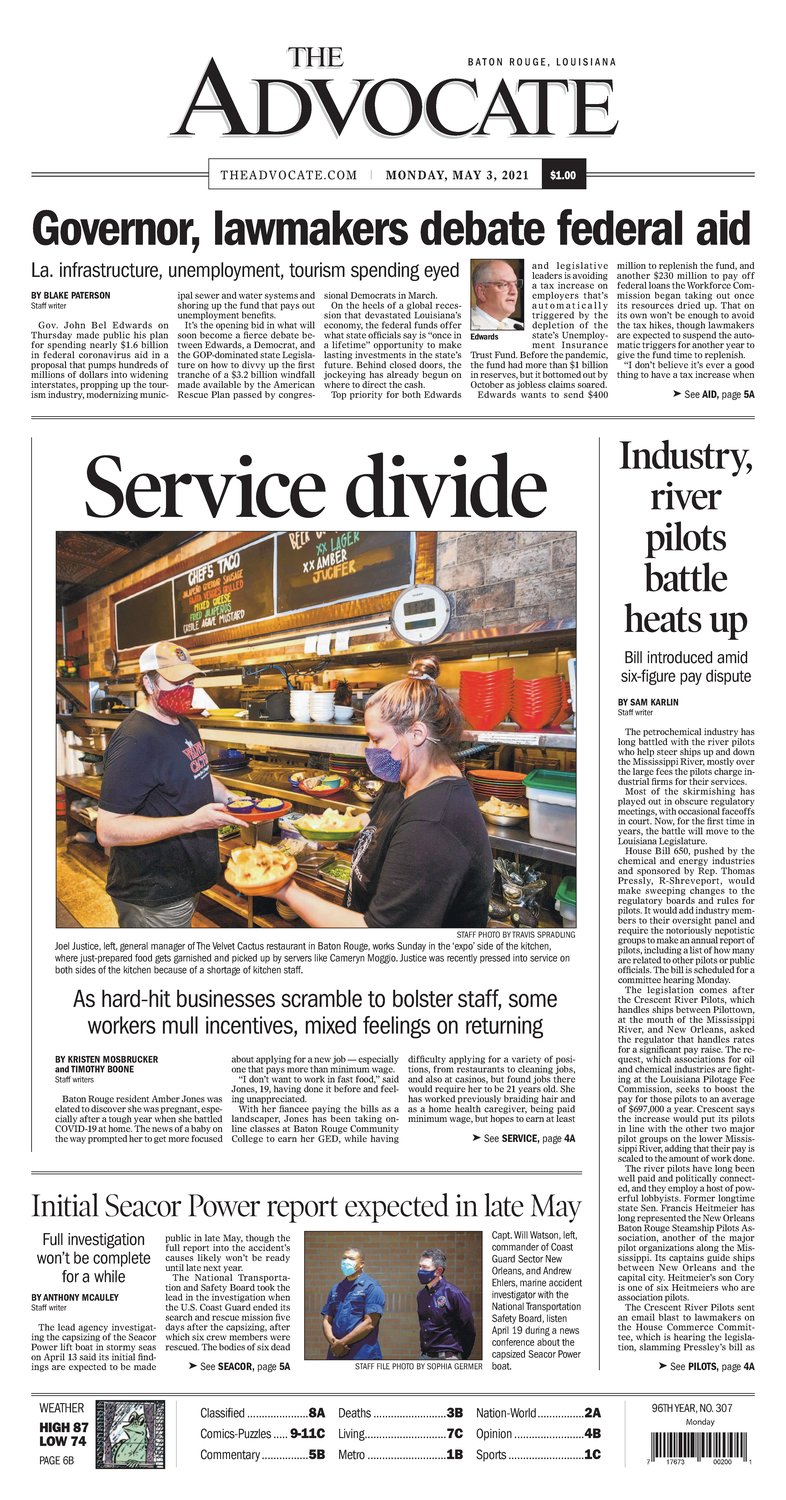
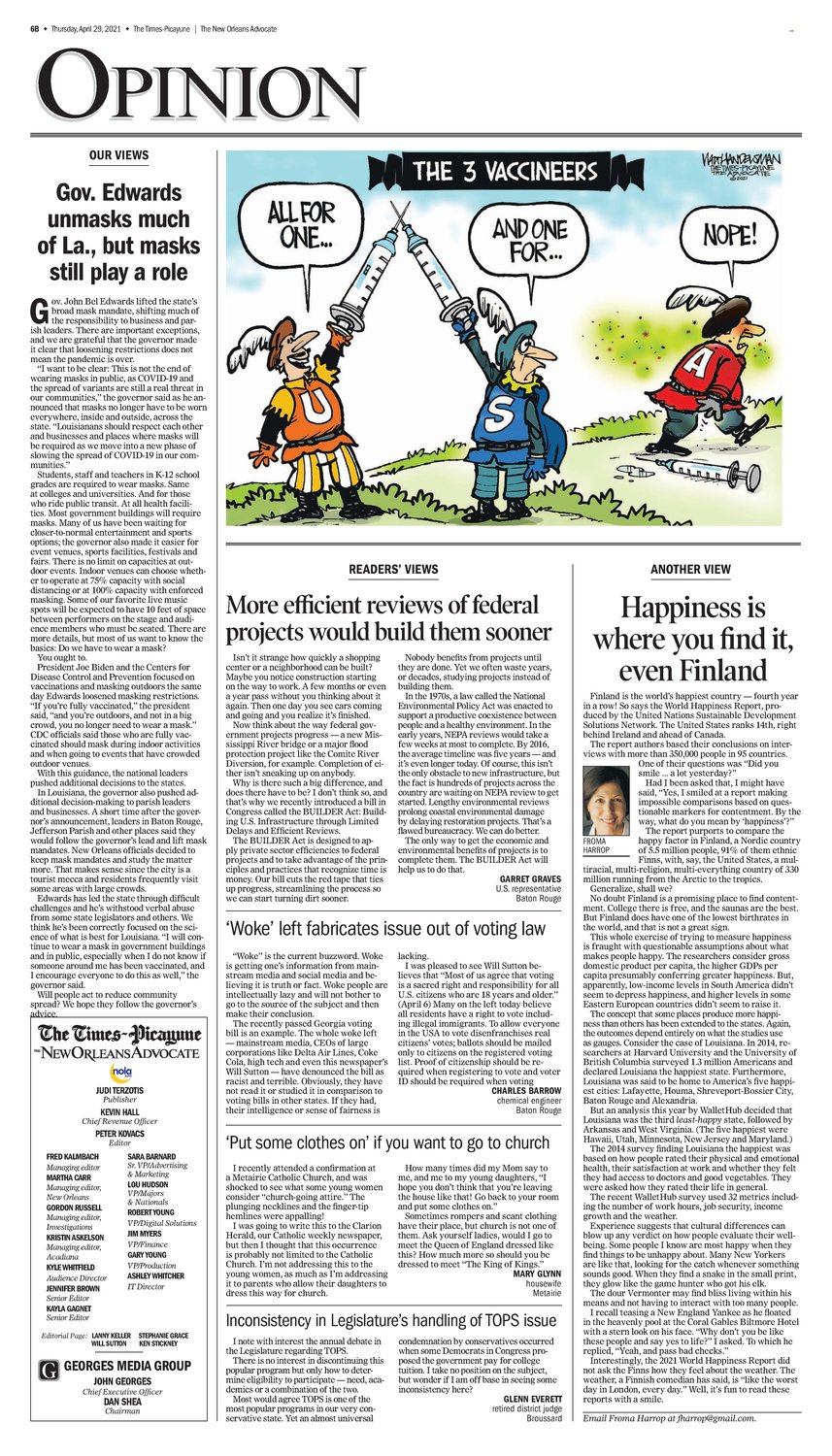
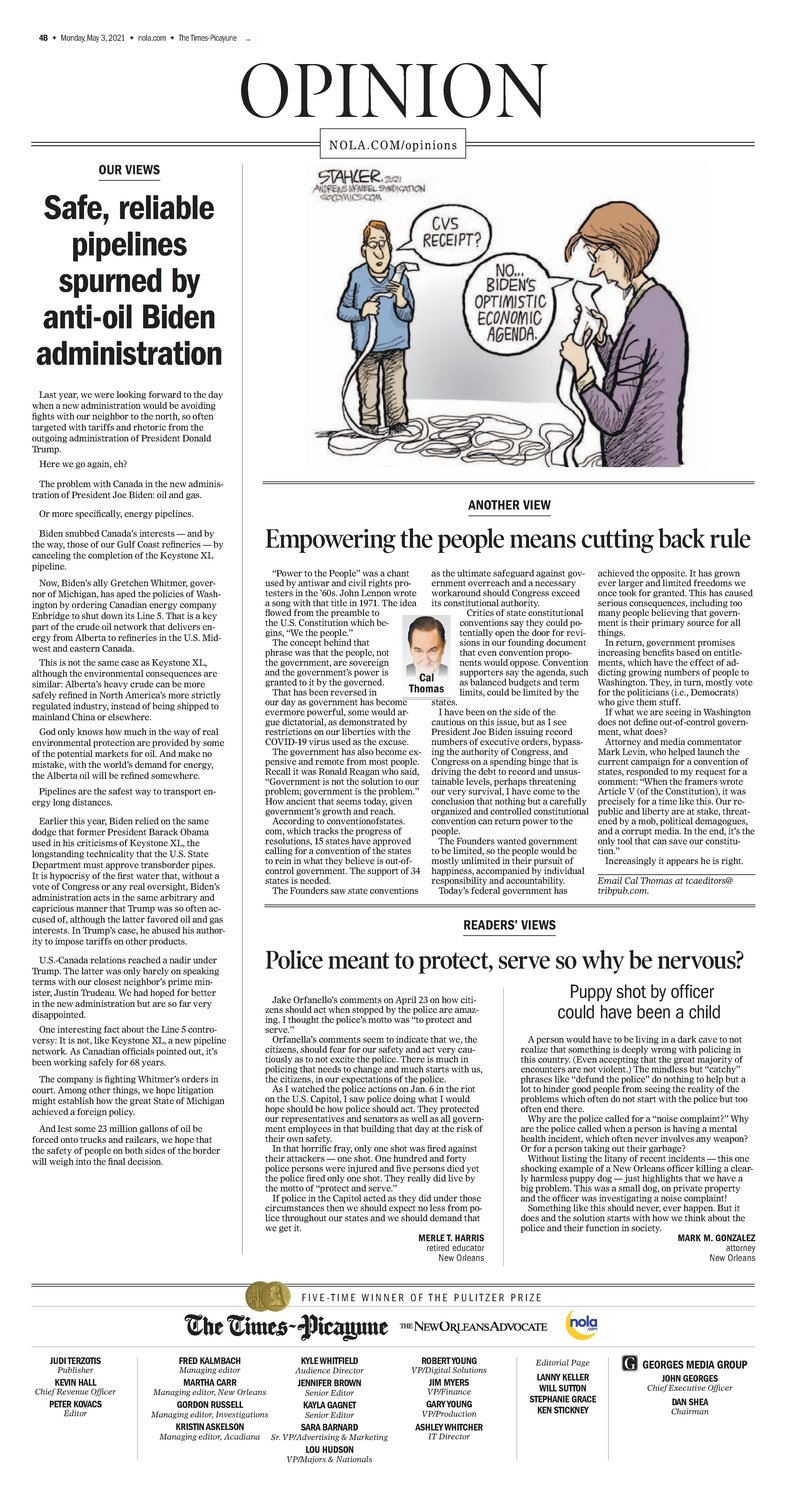
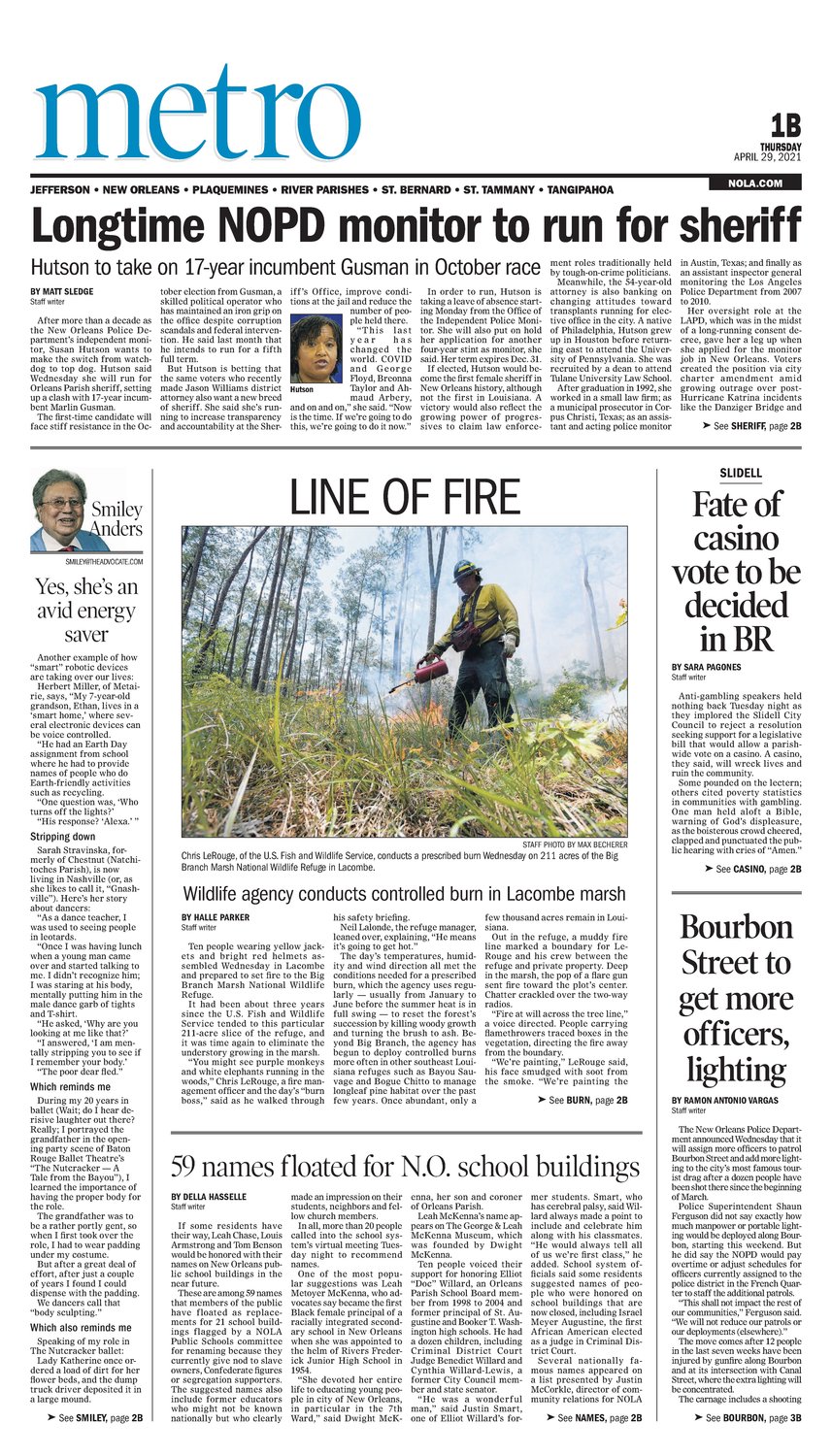
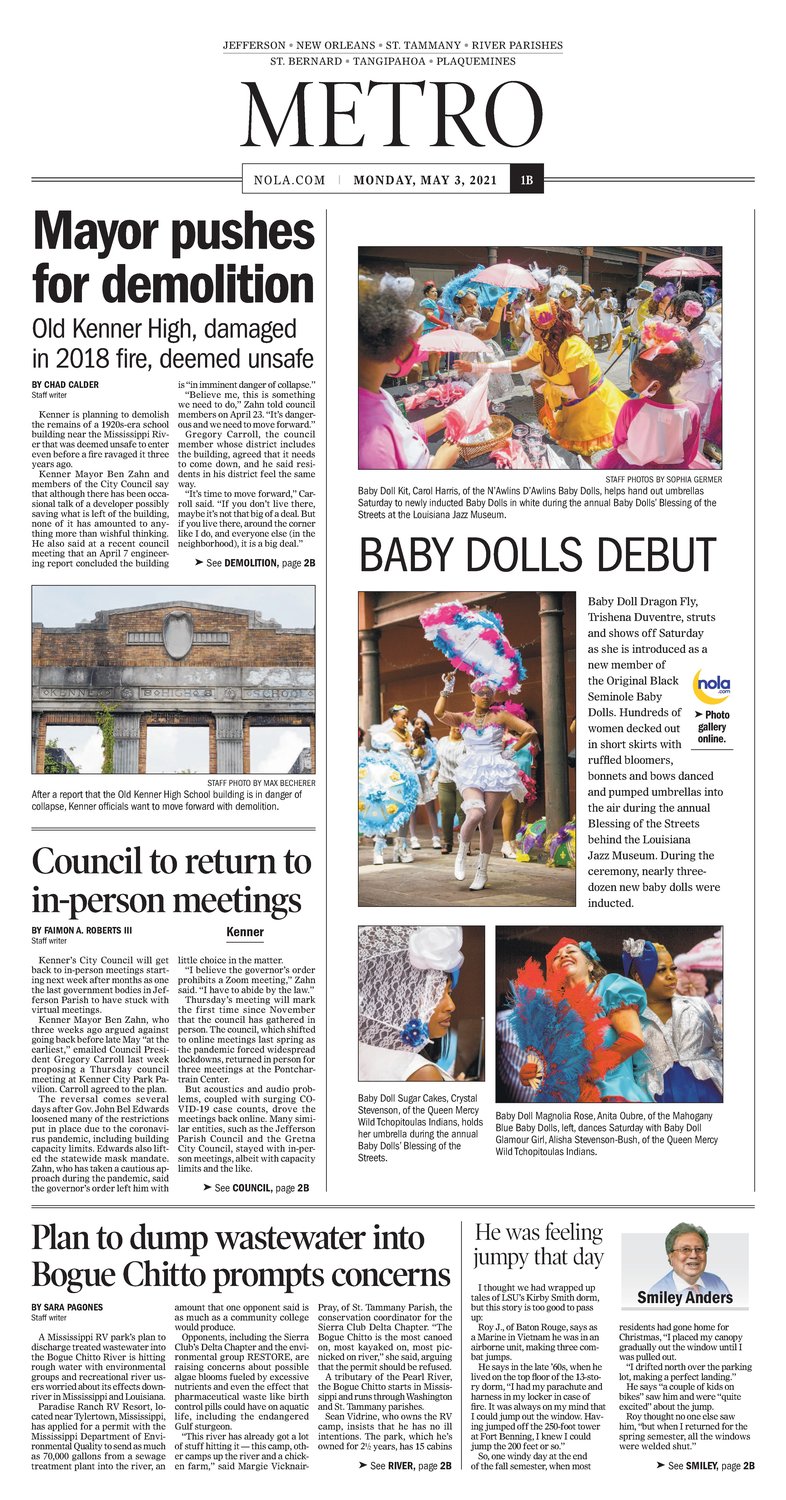
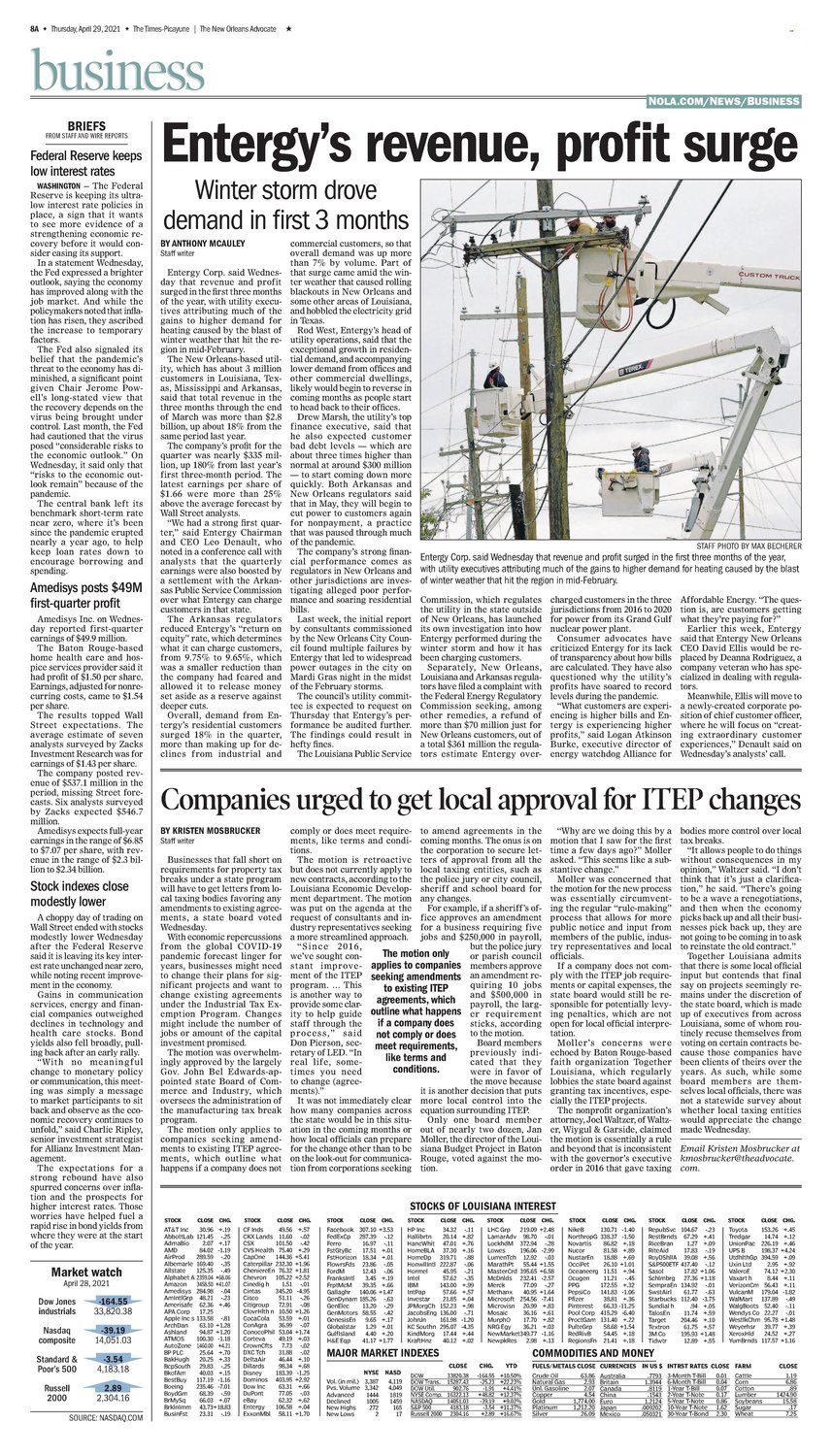

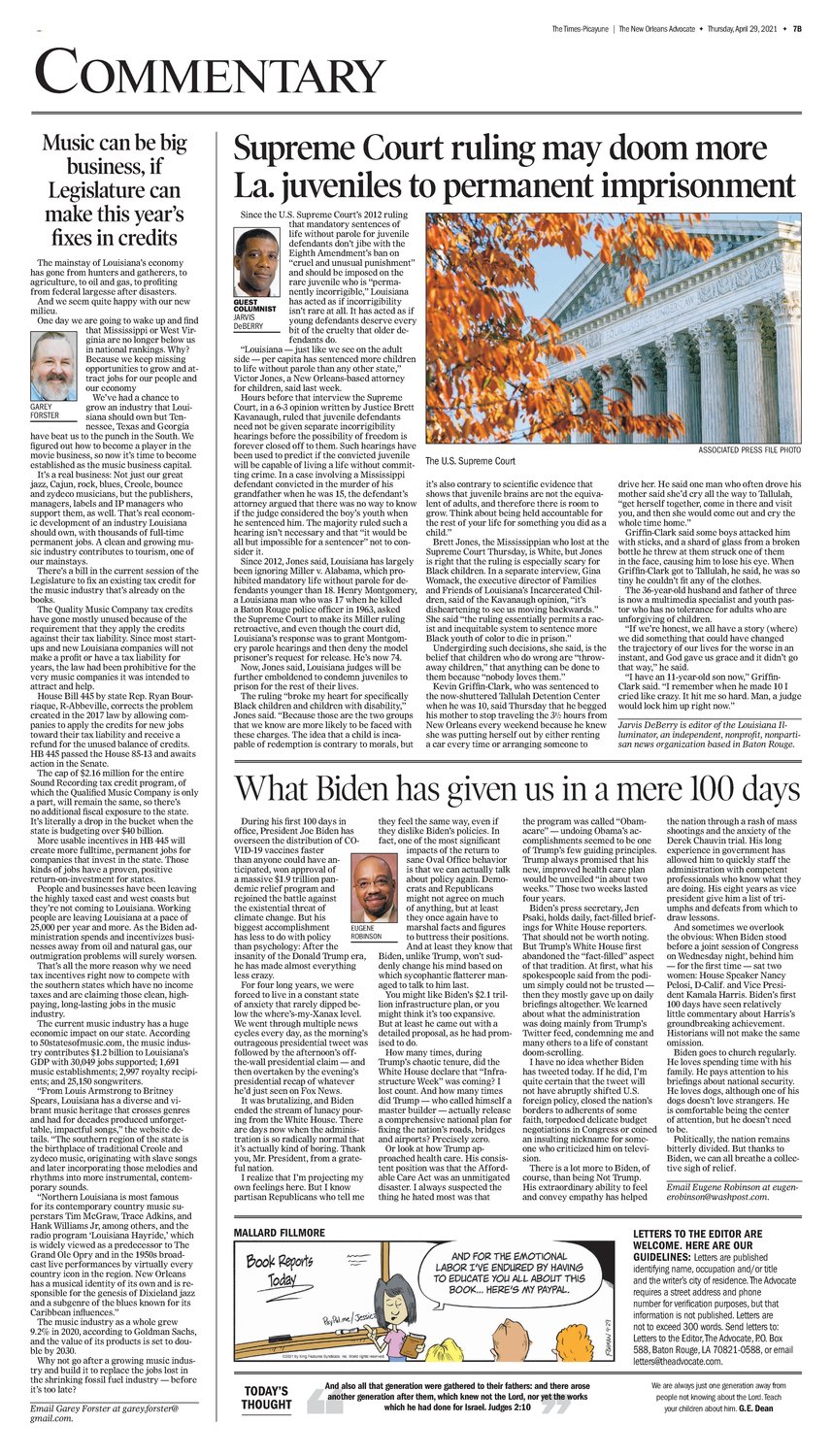
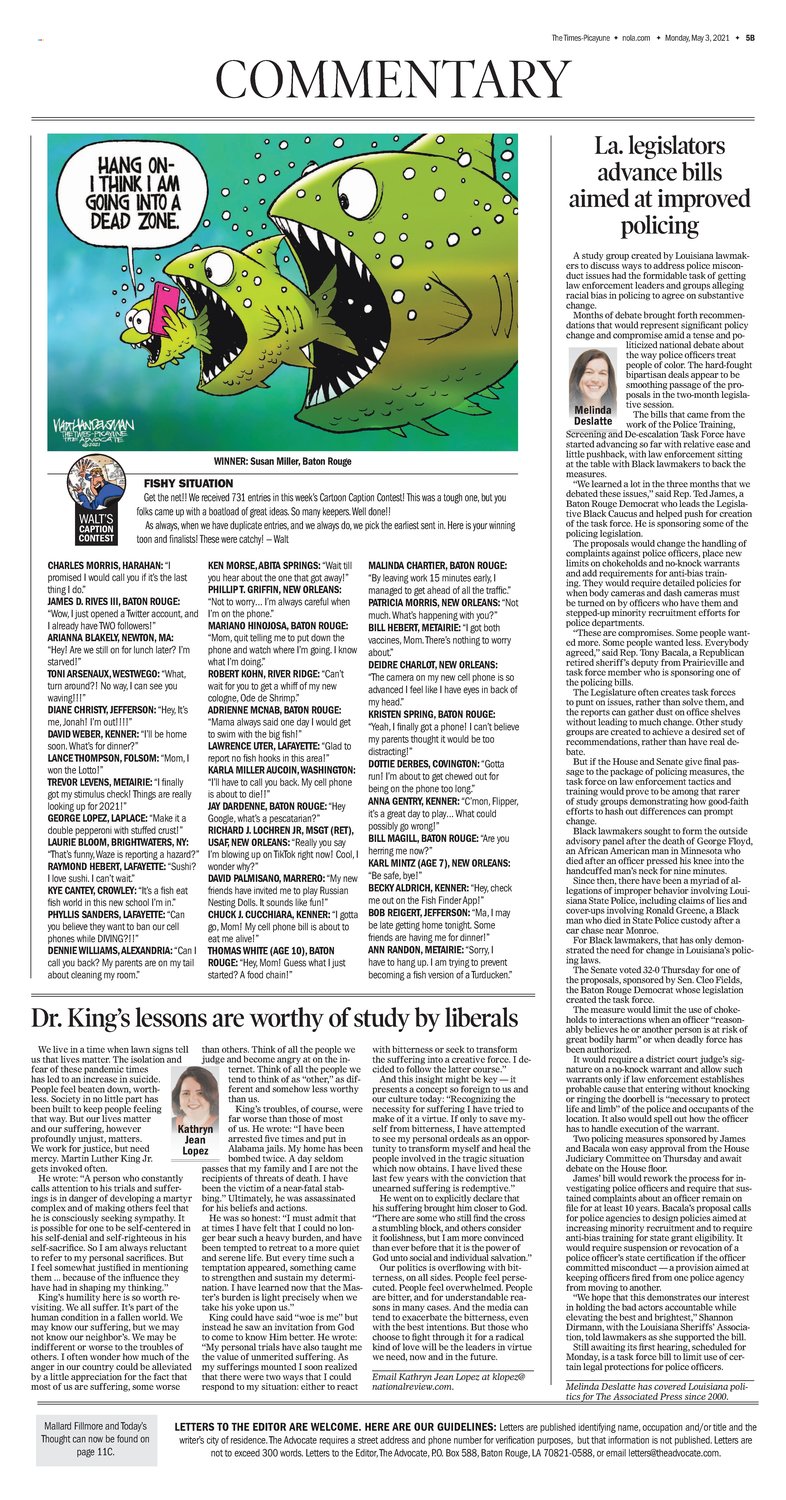

The Times-Picayune in New Orleans, The Advocate in Baton Rouge and The Acadiana Advocate in Lafayette switched to a narrower web width for their print newspapers in May 2021 and their readers approved.
Creative Circle Media Solutions helped all three papers make the switch by creating new InDesign templates and libraries and offering a series of design changes aimed at streamlining design and production, improving readability and standardizing the look of both papers, especially on shared pages.
“The teams at these papers certainly could have done this work themselves, but it would have put a huge strain on everyone over the five-month project,” said Bill Ostendorf, president and founder of Creative Circle. “And having an experienced, outside team helping with such a complicated process helps assure that alternative options are explored and new ideas are brought to the table to make it more than just a size conversion.”
Creative Circle has led the redesign of more that 850 print newspapers and magazines since 2000. “With that kind of experience, you know how to steer clients away from the pitfalls that might trip them up along the way.”
“Working with Bill and his team took the heavy lift off of our shoulders for a web conversion and a redesign,” said Jennifer Brown, executive news editor for the papers. “We were offered multiple options and guidance through the process. Overall, our redesign went off smoothly and was warmly accepted by the community, which is always a great sign!”
“We love working with publishers who still believe in and are investing in print,” said Bill Ostendorf, president and founder of Creative Circle. “A key element of our redesign work for these papers was a shift to a five-column format for most of their editorial content.
“All broadsheet newspapers should be shifting their news and advertising to a five-column format to improve readability,” said Ostendorf. “As newspapers narrowed their pages, column widths became too narrow to the point that it has had a dramatic negative impact on readership and the number of stories being read.
“A hundred years of research tells us the optimum width for a newspaper column is around 15 picas. Narrower columns make stories hard to read,” said Ostendorf. “Column widths of 9 or 10 picas can slow reading speed by as much as 60 percent. That means a reader spending 10 minutes with the paper reads fewer stories.
"Because people read in phrases, narrow colunm force them to read stories word by word because there aren't enough words on a line to group them. There is also evidence readers find the reading experience annoying at such narrow measures and even that it interferes with comprehension and introduces misunderstandings. Narrow columns are slowly killing print and almost no one in the industry even knows it.”
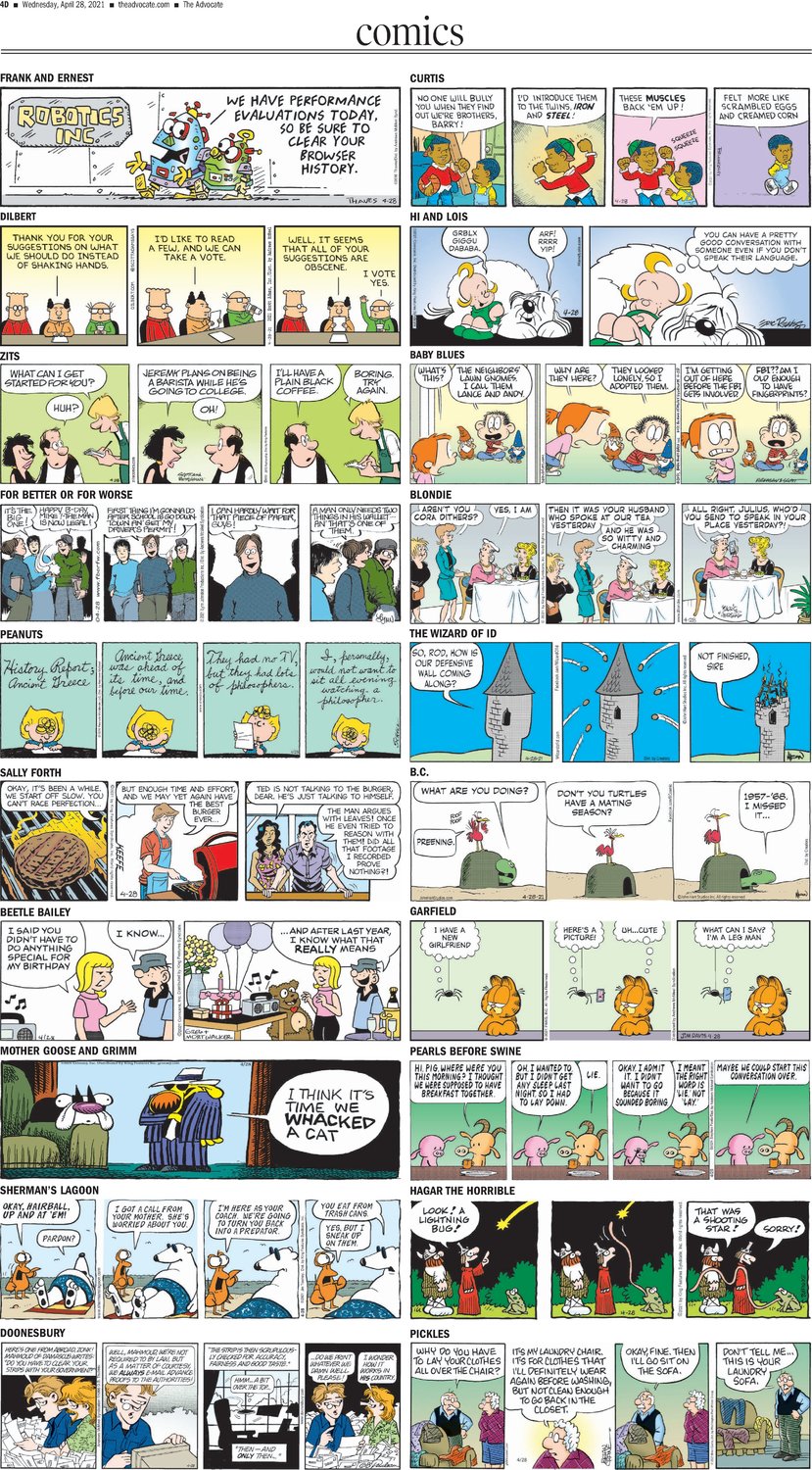
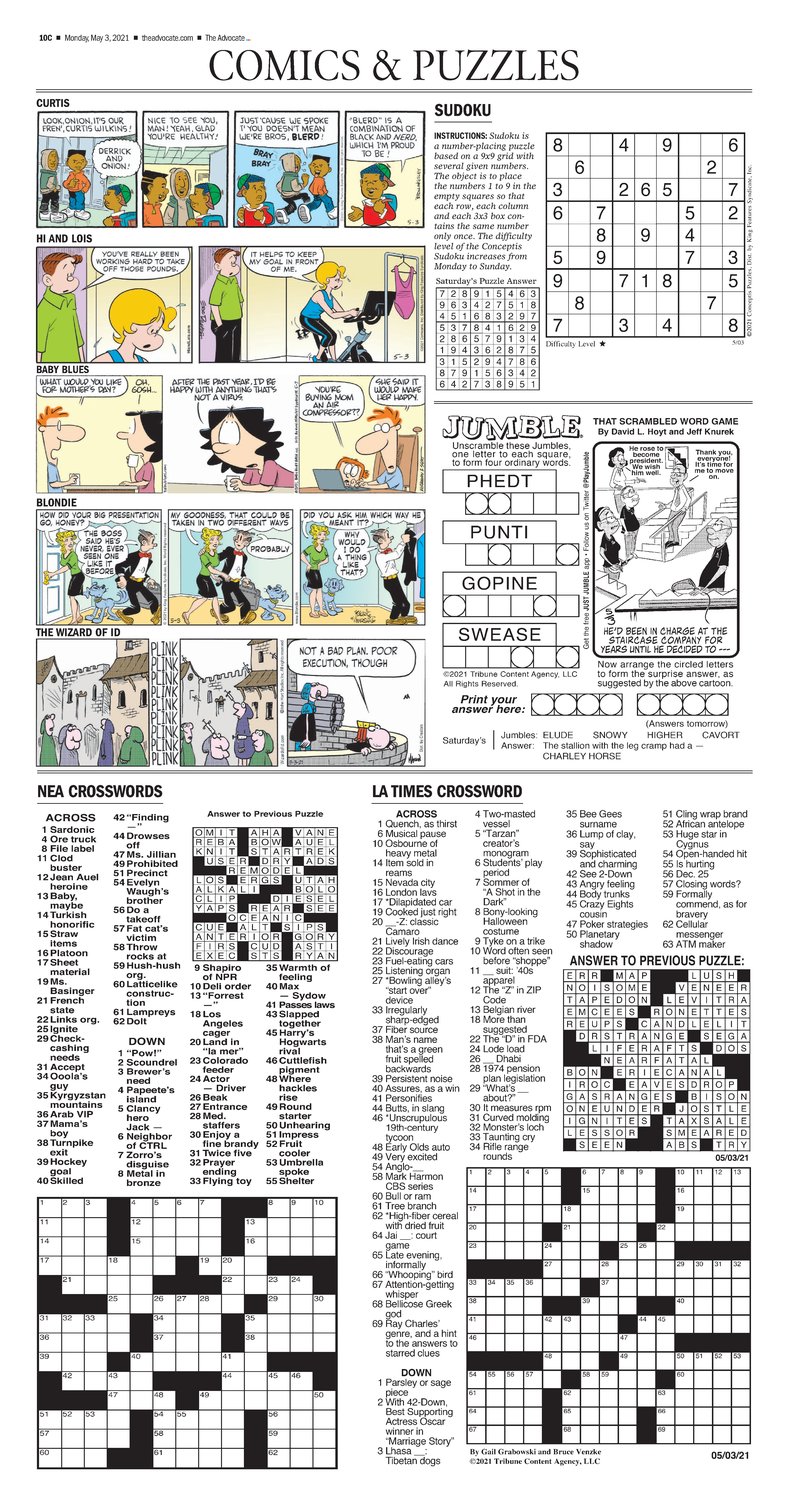
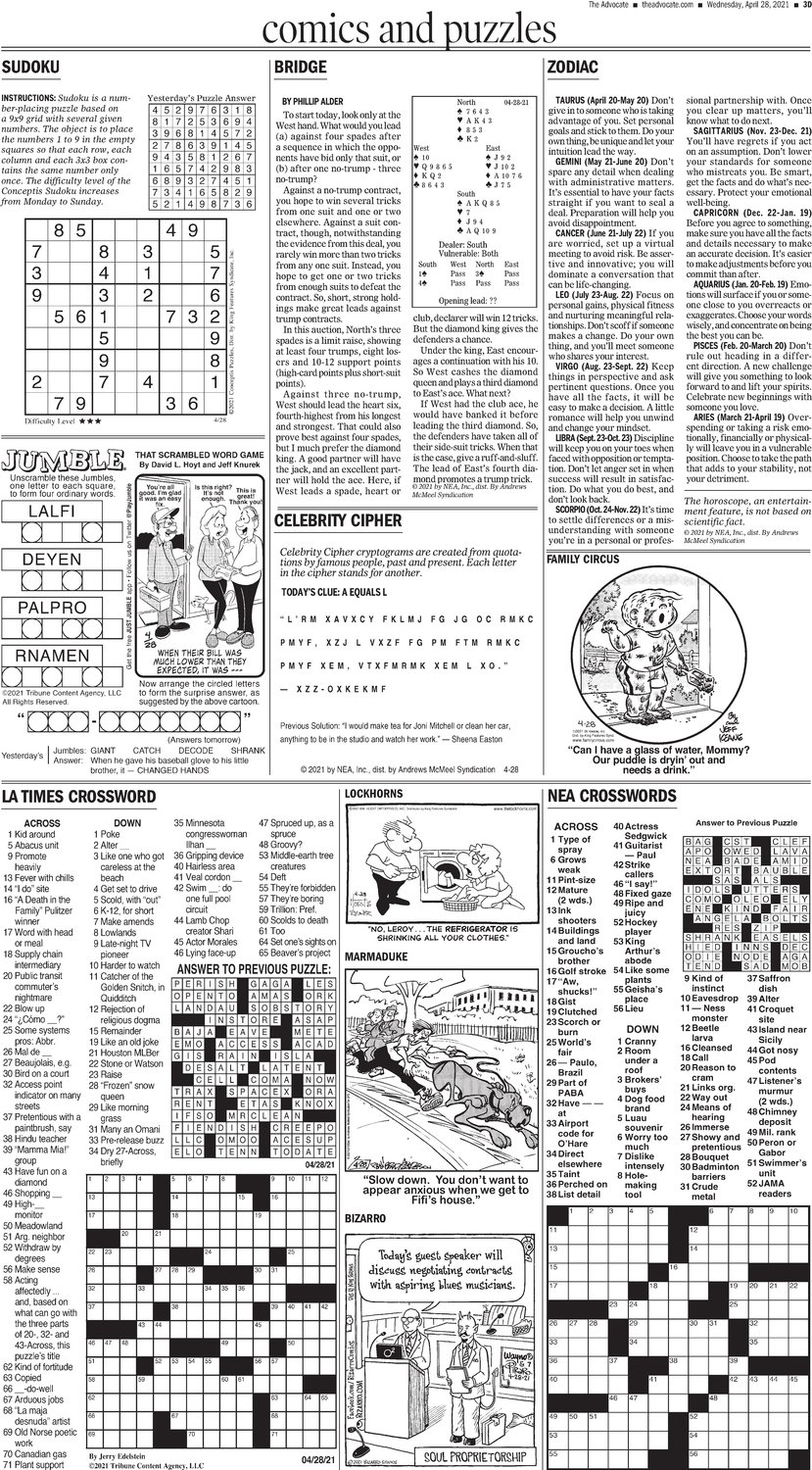
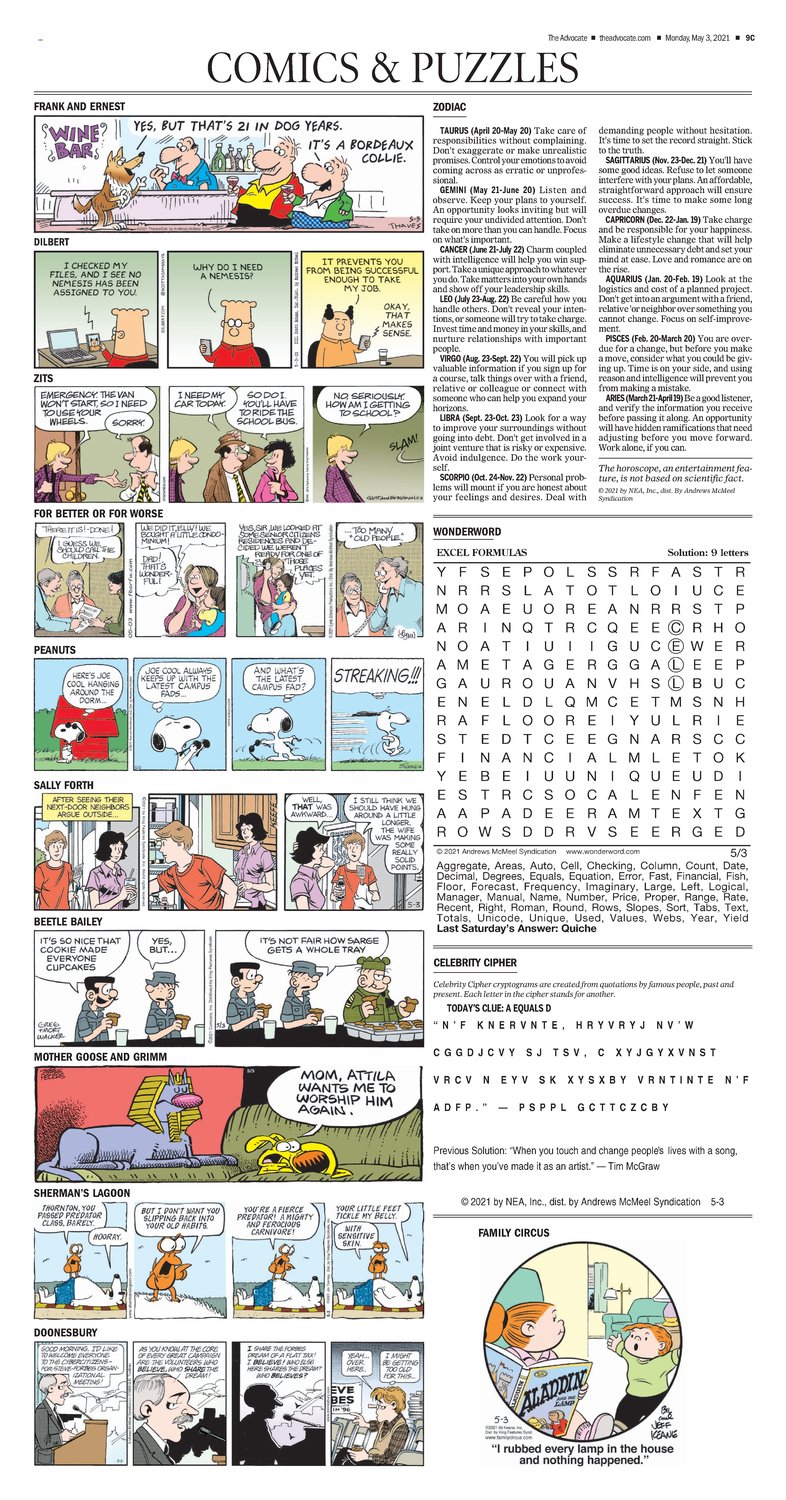
Another reader service Creative Circle provided was finding a way not to shrink the daily comics and puzzles to fit the smaller pages. By reconfiguring and reorganizing that content, comics didn’t suffer the kind of shrinkage that can lead to readers being frustrated about not being able to read their favorite strip or work their puzzles.
“Our redesign work is all about readers,” said Ostendorf. “We always try to serve as their advocates in the redesign process. We look for ways to make the paper better; the content better; the experience better.”
The Creative Circle team also provided a range of pre-designed templates to speed page production and made numerous changes to branding, naming, structure and typography to improve consistency. A detailed style book was also created to help guide and train editors on maintaining the design.
“Print is not only viable,” said Ostendorf. “It’s an essential part of profitable publishing. But it can’t be profitable if you ignore the reader experience.”
Creative Circle has a long history with The Advocate, leading a complete print redesign of that paper in 2004.
“Typically, our redesigns involve rebranding, new editorial strategies, lots of training and a complete rethinking of the print product,” said Ostendorf. “This was more of a tweak and cleanup of a lot of things that were put in place when The Advocate purchased The Times-Picayune after launching its own New Orleans edition. Merging elements from the Times-Picayune and The Advocate – sorting out the branding and which elements to keep was a big focus.
"Readers appreciate even minor design improvements or a refresh. It matters when publishers invest in print rather than manage a self-imposed decline.”