We hope you love our recommendations! While every product is independently chosen by our editors, BuzzFeed and our publishing partners may collect a share of sales or other compensation from the links on this page. You can read more about how our affiliate partnerships work in our Editorial Standards & Ethics Guide.

As the former editor of the Books newsletter and a fervent reader, books mean a lot to me — though one look at my space-starved bookshelves would tell you that this is an understatement. And for a long time, like many other book purists such as myself, the idea of reading from a screen instead of a dog-eared copy of some well-loved tome sickened me. That is, until I understood the ease and convenience that an e-reader could offer, and my stubborn defiance soon turned into extreme want.

But first, what even is an e-reader, and how is it any different from a phone or tablet?
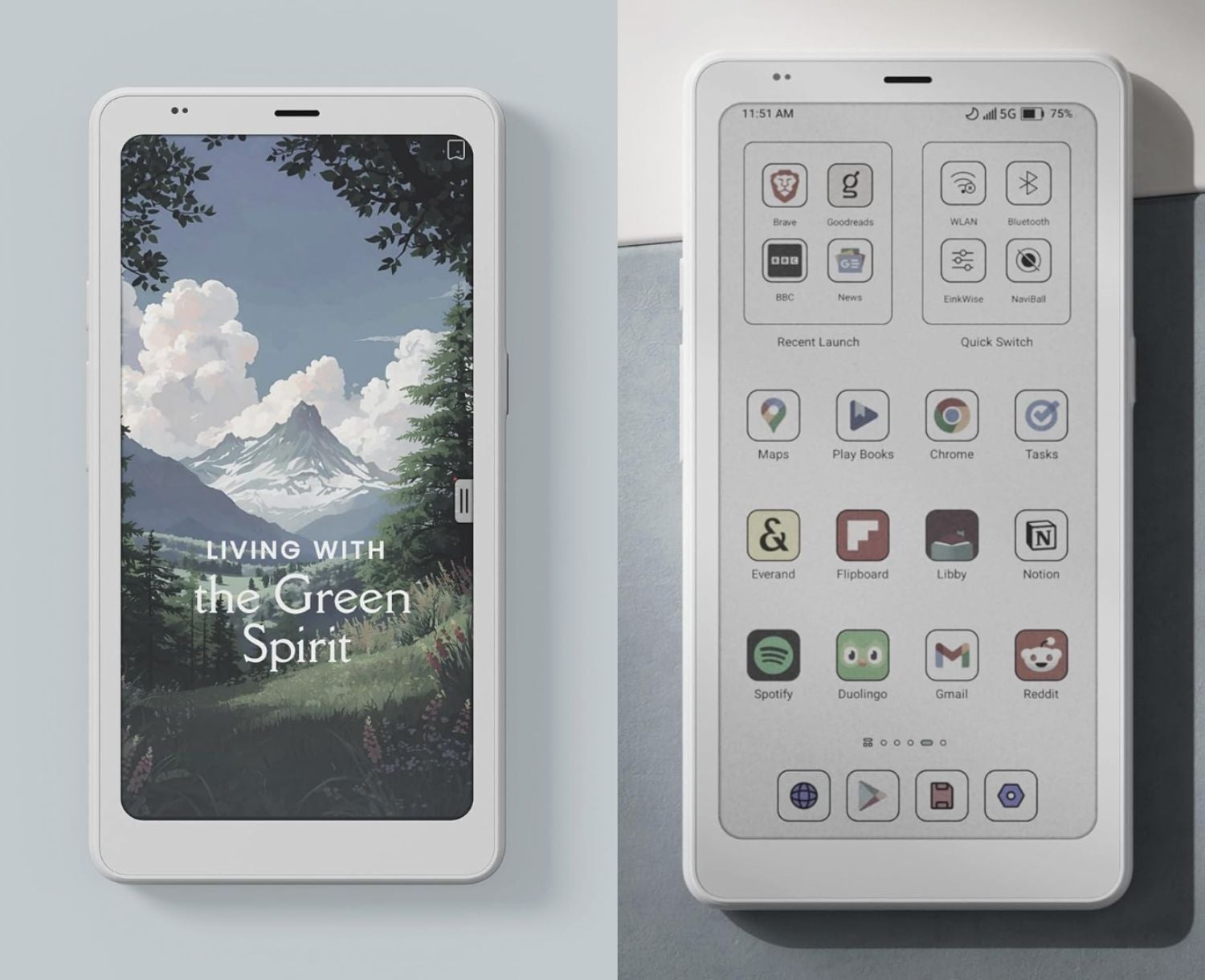
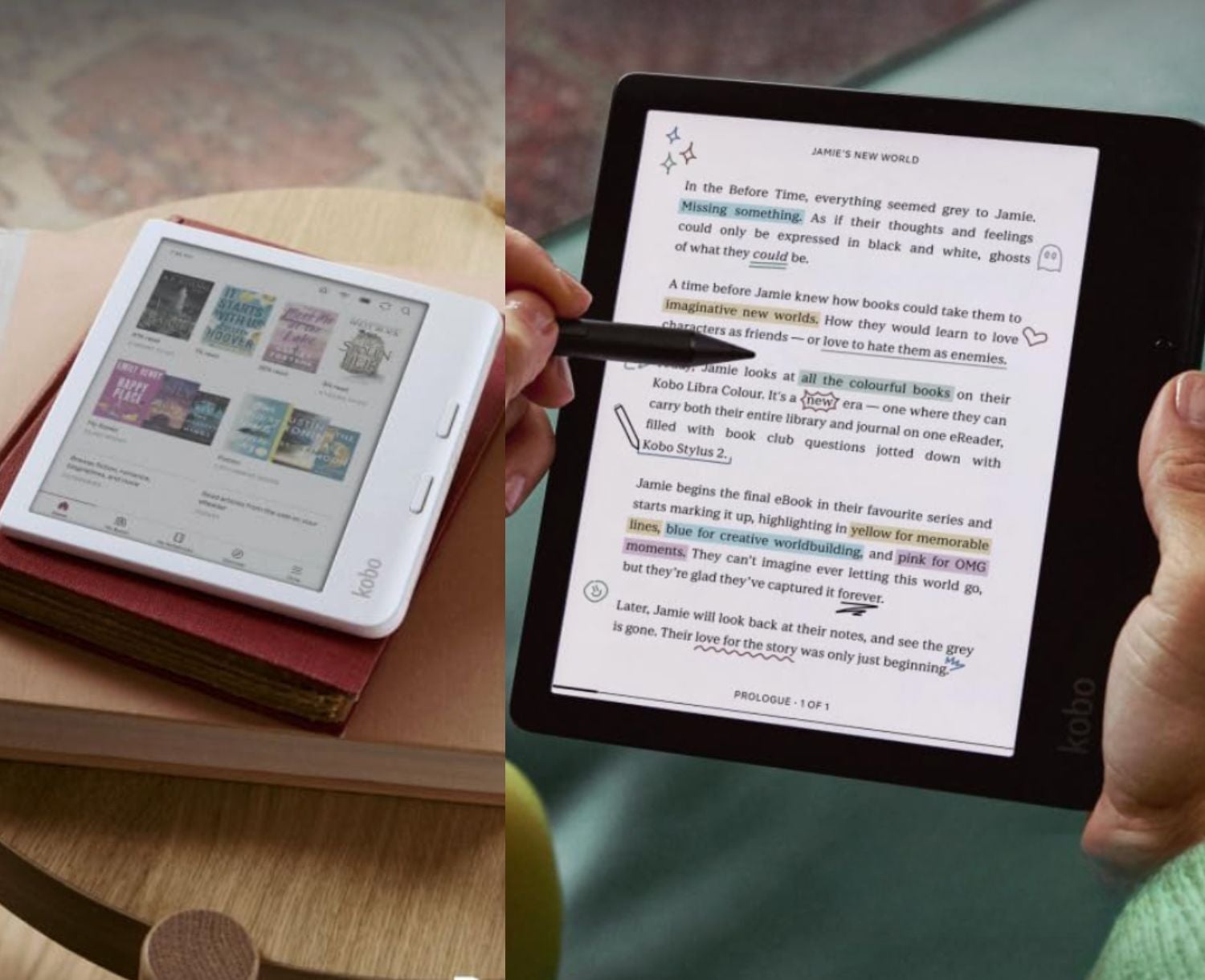
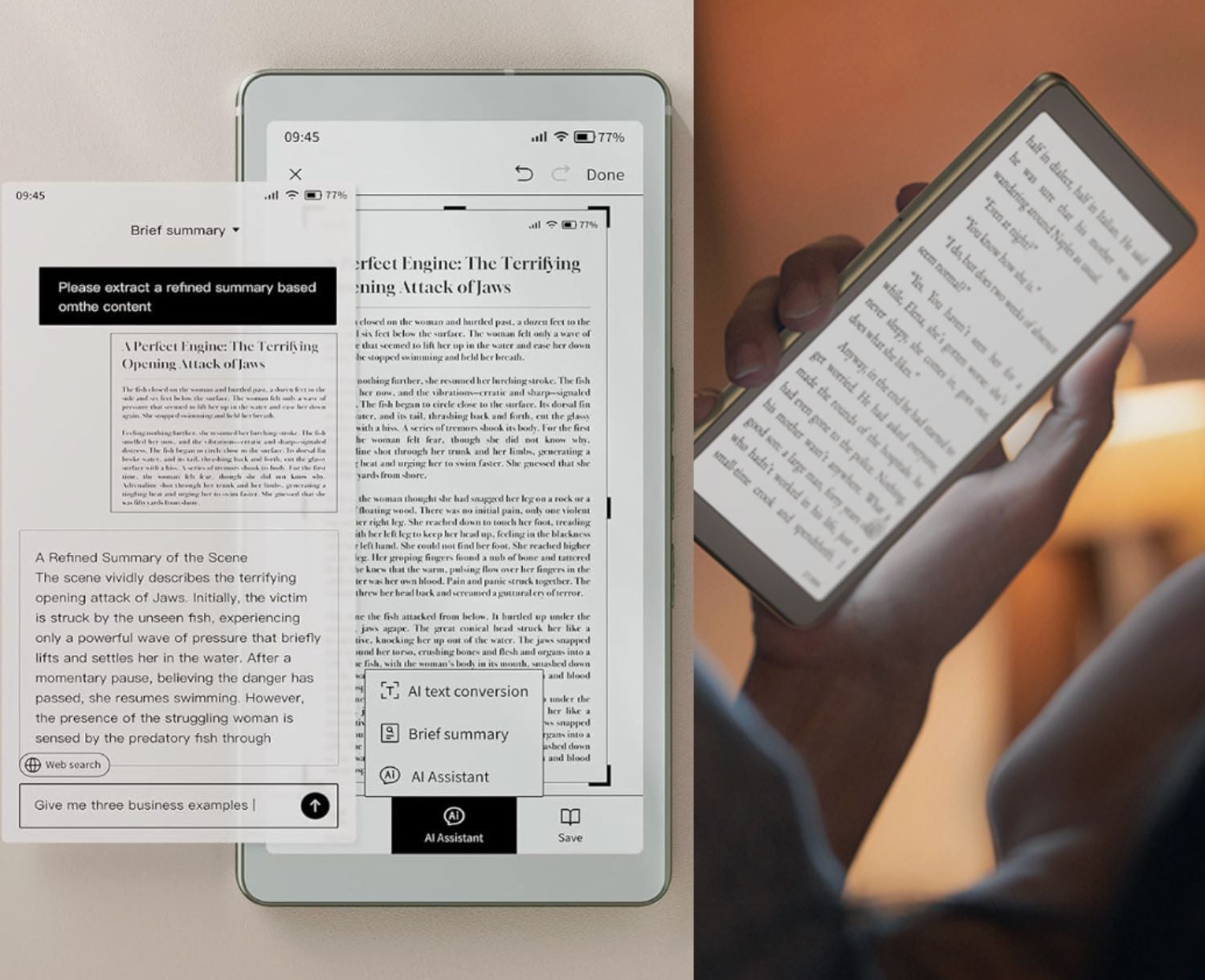
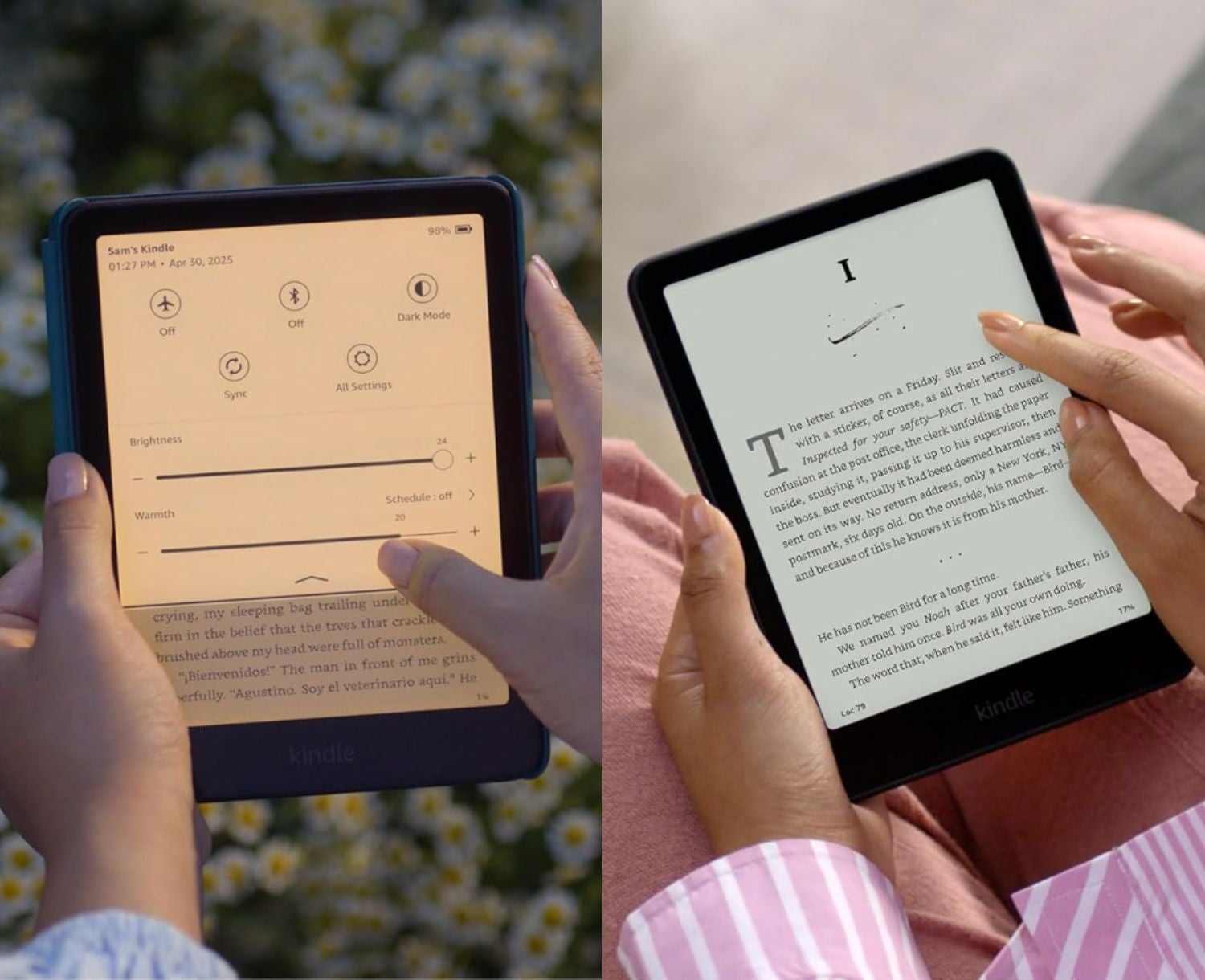
It really depends, as some models support third-party mobile apps or have SIM cards to operate as phones or have tablet-like functionality, while others are very basic and just store and display digital copies of books. But generally, the main consistency is that they all use e-ink and paper-esque displays that are matte and feel surprisingly page-like. This is important because, unlike the LED screens on your phone or computer, e-ink screens offer a glare-free experience that is very comfortable on the eyes, use significantly less battery and can even be read clearly in the sun.
That being said, e-ink doesn’t translate to lightning-fast refresh times like your phone or tablet, which means something called “ghosting” occurs. This is just a faint visual residue of previously displayed content and a slight text delay. Don’t let this deter you, however, as you get used to it very quickly and it doesn’t really impact your reading experience.
My online e-reader research revealed that, not only are there way more than just Kindles out there (though these are great options), but there are also an overwhelming number to choose from. We made the selection a bit more digestible for the average shopper in the list of seven e-reader models below. They range in brand names, capabilities, price points and sizes to fit all types of book lovers out there. And yes, don’t worry, there are a few Kindles included.